
PMEOS AI - Enterprise Program & Project Execution Intelligence
PMEOS AI moderates project meetings, captures execution signals from collaboration platforms and project management tools, automates reporting, improves execution visibility, and enables early risk detection across complex delivery environments.

PMEOS AI starts where teams often lose visibility and execution begins to drift: in the meetings where decisions, risks, and dependencies emerge. From there, it expands across the full delivery cycle and into complex enterprise programs. Co-Innovation Partners shape what ships first.
Bad Tools aren’t the Problem. Disconnected Execution Is.

One execution layer
PMEOS AI connects your meetings and delivery tools into one continuous flow. It captures outcomes, writes the summary, and turns discussion into team-owned action items. It does not replace Jira or Teams. It sits above them.

Outcome focused meeting flow
Your stand-up coordination partner. PMEOS AI moderates timeboxes and prompts the team for clarity. Meetings stay short and decision-oriented.

Delivery visibility you can act on
Structured meeting outcomes, action items, and analytics provide a consistent record of what happened and what needs to move next.

Admin control
Central setup with team-level control. Admins connect Teams and Jira contexts and configure behaviours and mappings in one place.

Capacity-aware planning
Sprint planning support without spreadsheets. PMEOS AI highlights overload risk early by comparing team capacity with expected workload.

Action follow-through
Closes the loop between stand-ups. PMEOS AI assigns and tracks action items, then brings open items back into the next check-in so nothing slips.
Co-Innovation Partner Program
We collaborate with a small number of Co-Innovation Partners to build PMEOS AI in real enterprise environments. Co-Innovation Partners receive early access and influence roadmap sequencing within the product vision, ensuring PMEOS AI evolves around the constraints and workflows that matter most in complex delivery organizations.

Our Partner benefits
 Early access to MVP releases and upcoming capabilities
- Direct input on roadmap sequencing within the product vision
- Structured onboarding and rollout guidance
- A partnership built around measurable outcomes and learnings

What we aim to measure together (examples)
- Less follow-up coordination after program and delivery meetings
- Improved meeting quality and action follow-through
- More credible delivery commitments through capacity-aware planning
PMEOS AI in Action
Dashboard
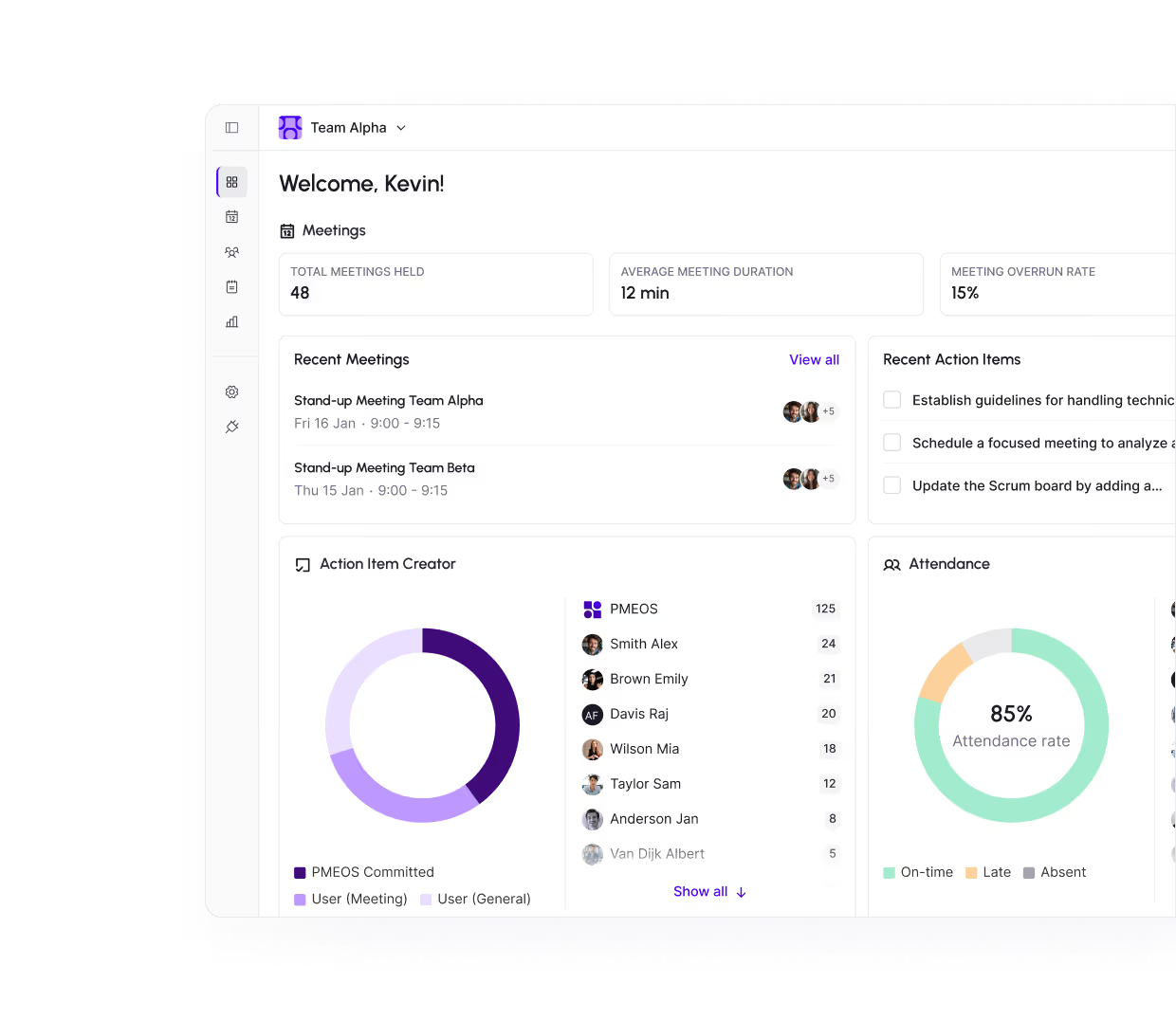
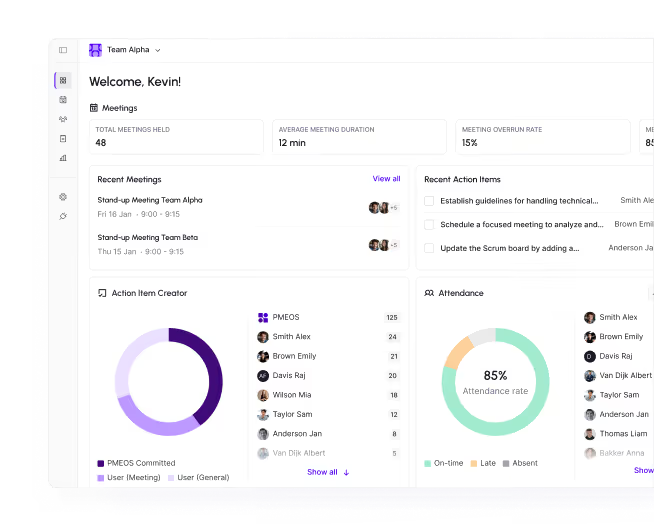
PMEOS AI gives each role a focused view of what needs attention now. It brings together execution signals, risks, decisions, recommended actions, and coaching insights from meetings and connected delivery tools.
- Role-aware execution priorities
- Open actions, risks, and decisions
- Recommendations and coaching signals
Meetings
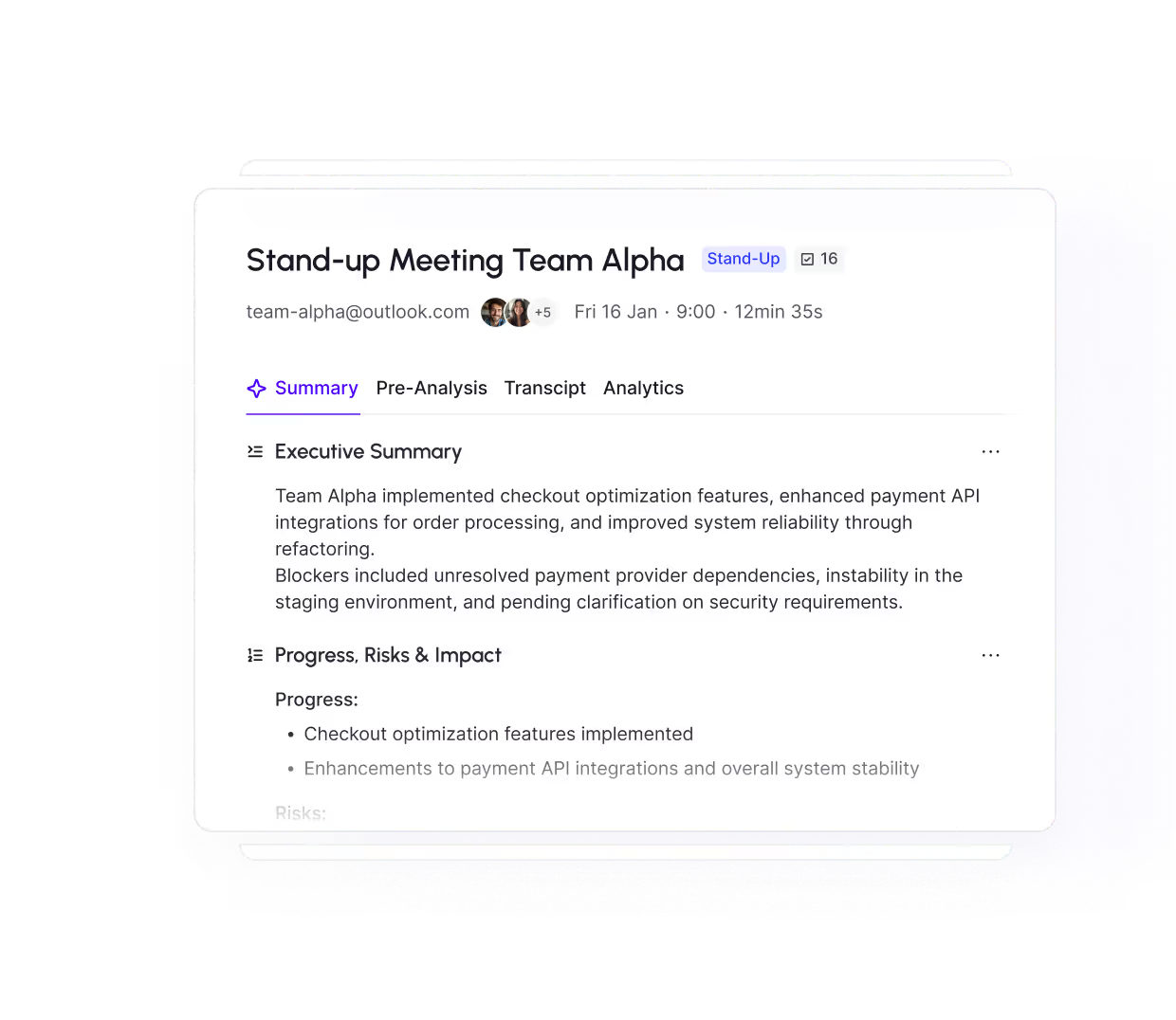
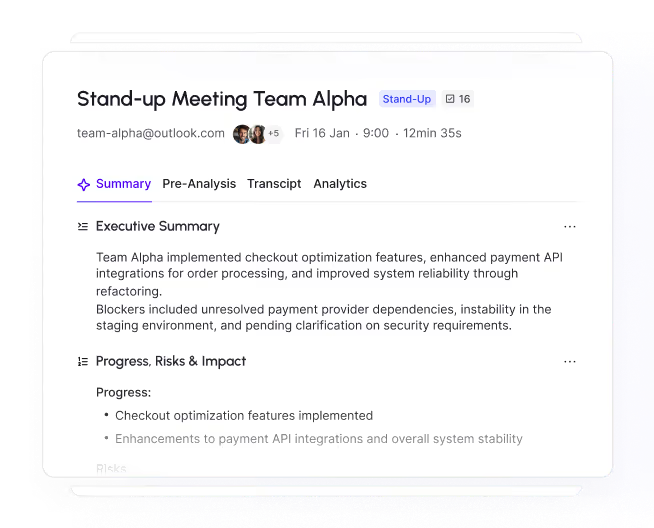
PMEOS AI actively moderates recurring and ad hoc meetings across the delivery cycle. It guides the conversation, asks targeted questions, validates updates against connected project data, and turns discussions into structured execution signals.
- Active meeting moderation
- Decisions, risks, and dependencies captured
- Structured outcomes and follow-ups
Team Planning
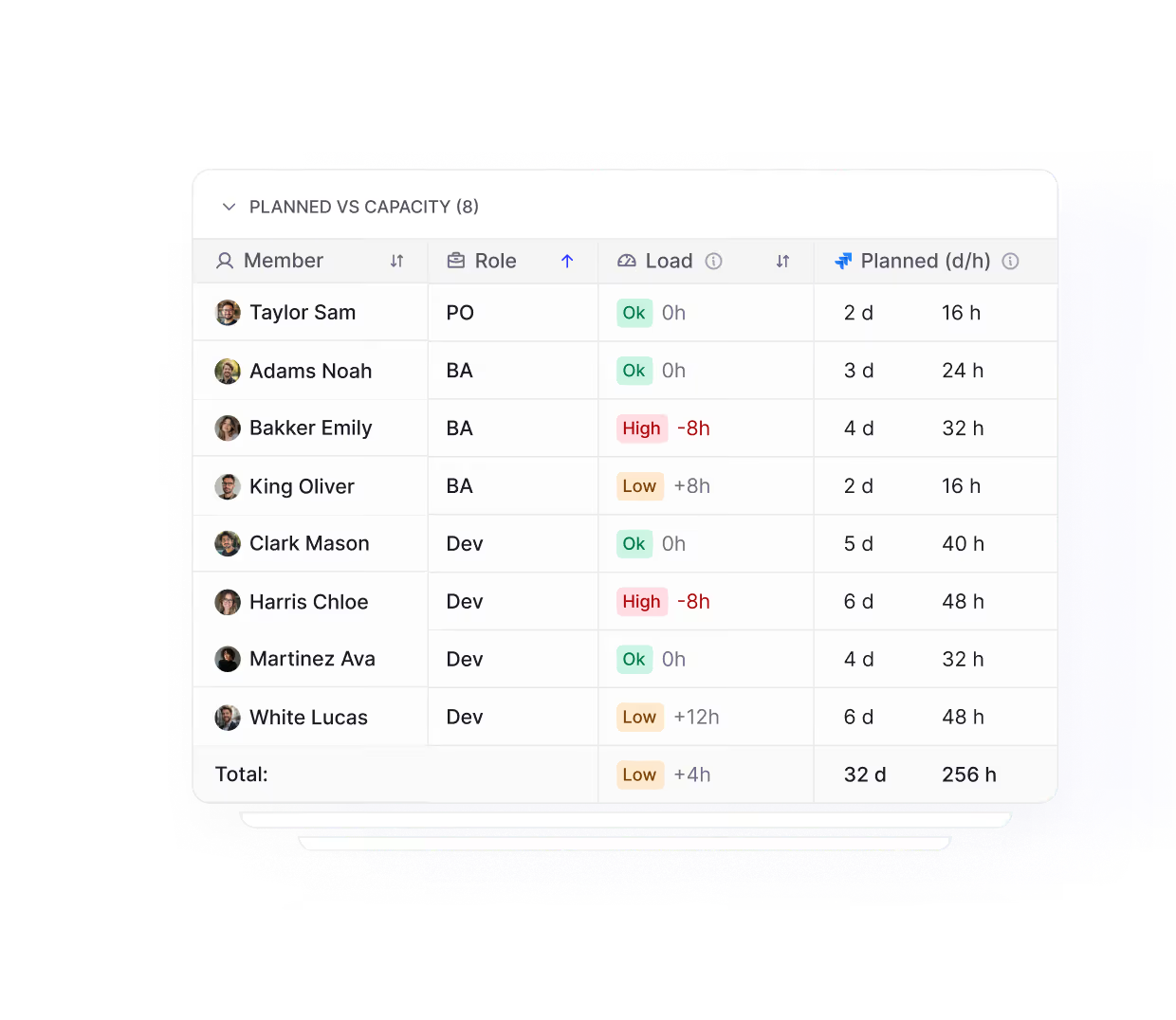
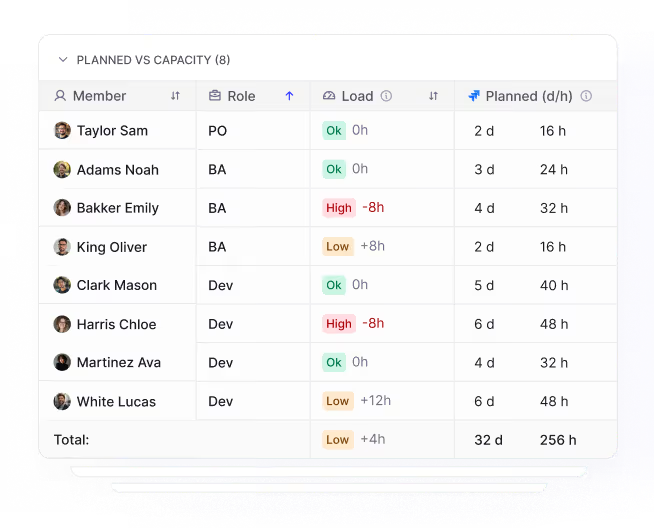
PMEOS AI combines team availability, current commitments, planned work, and historical delivery signals. It identifies overload, bottlenecks, and unrealistic assumptions early so teams can make more credible delivery commitments.
- Capacity and availability at a glance
- Commitments compared with planned work
- Early overload and feasibility signals
Action Items
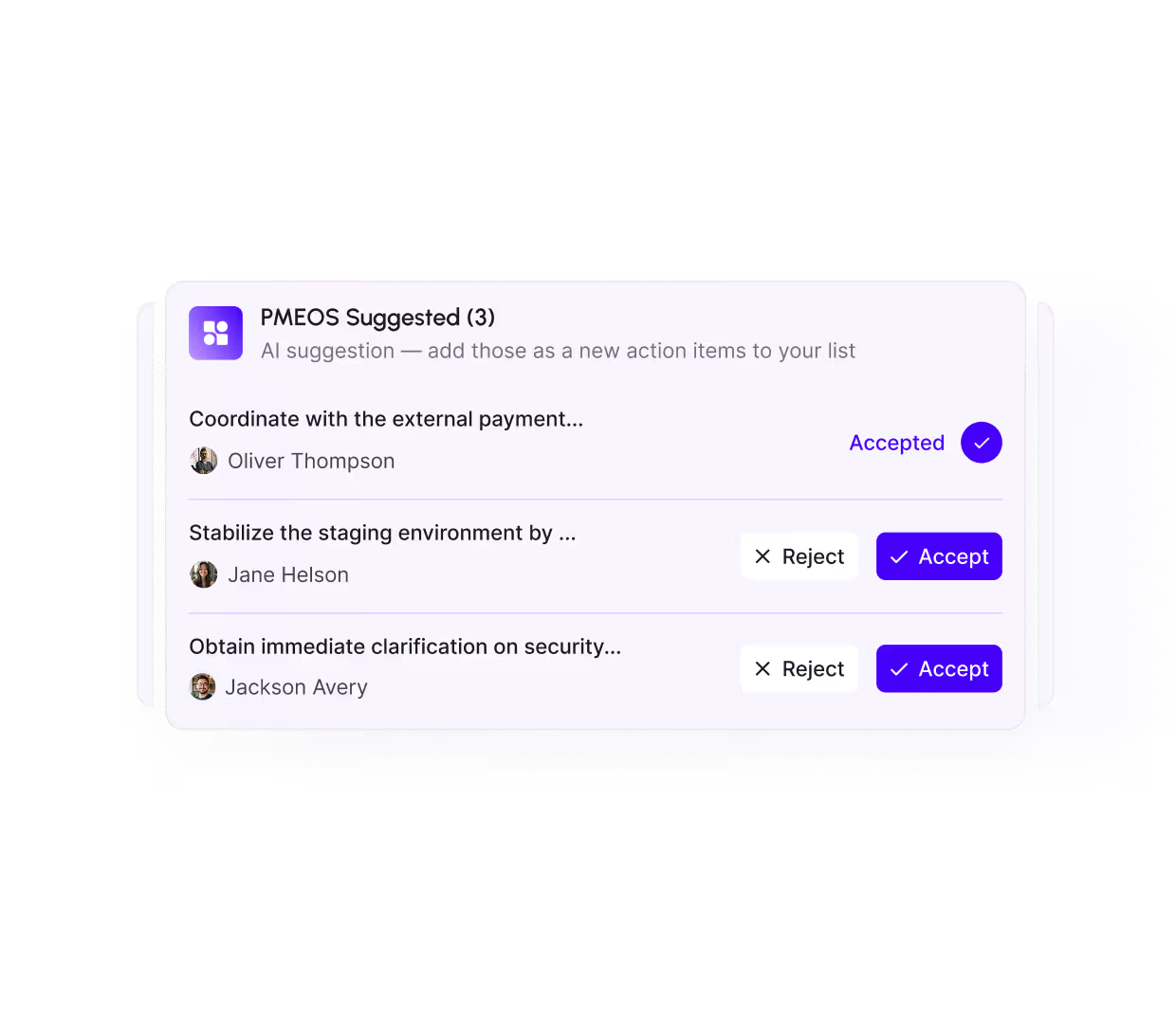
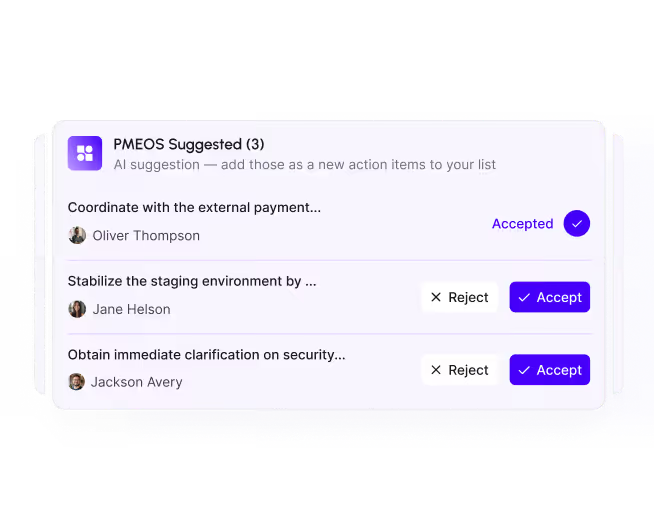
PMEOS AI turns meeting outcomes and delivery signals into context-aware actions using proprietary execution logic shaped by AgileAdvant’s delivery expertise. It follows up on commitments, learns from historical delivery patterns, and recommends targeted actions that strengthen delivery effectiveness and team development.
- Context-aware action recommendations
- Persistent follow-up and coaching
- Learning from delivery patterns
Team Analytics
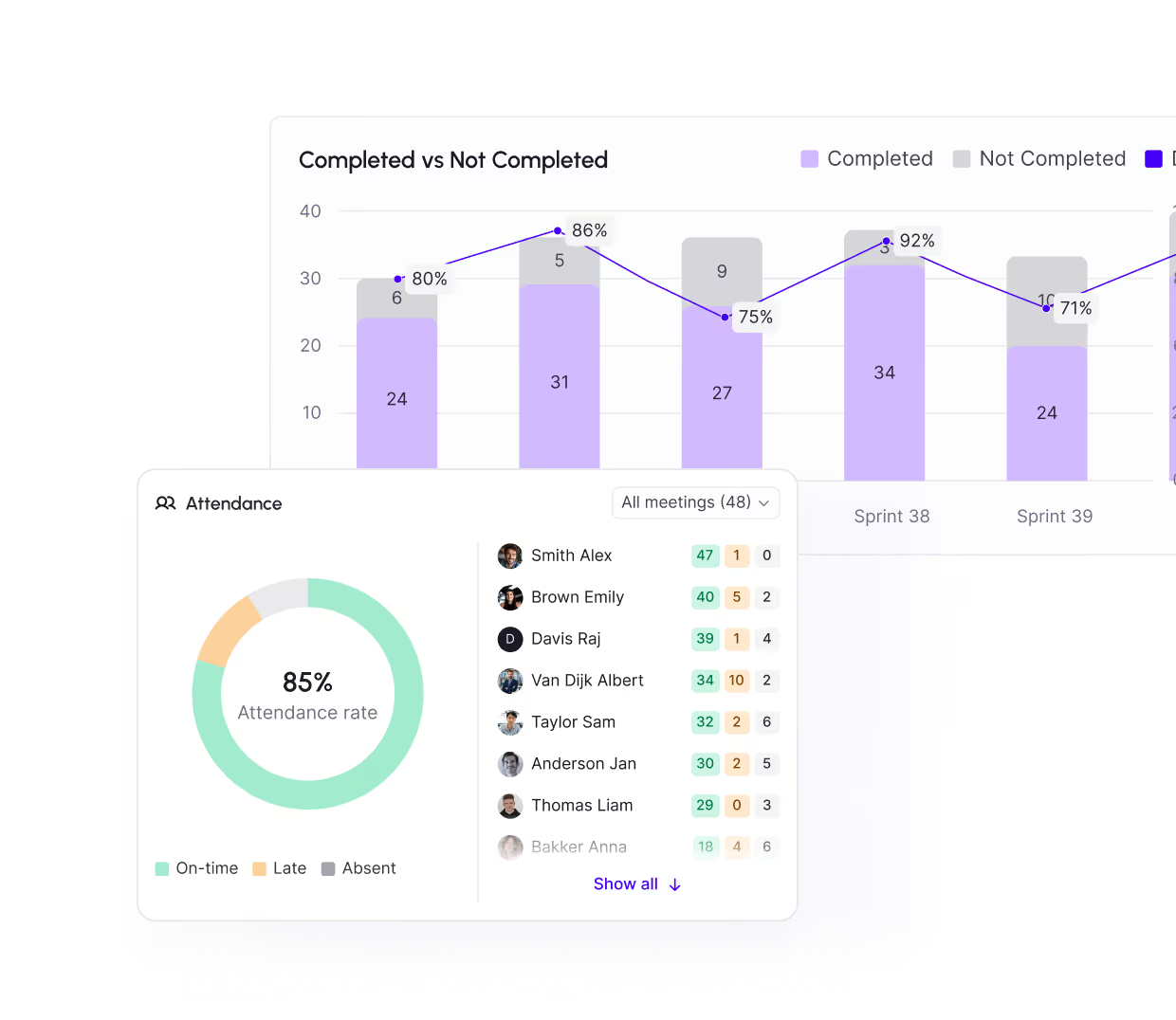
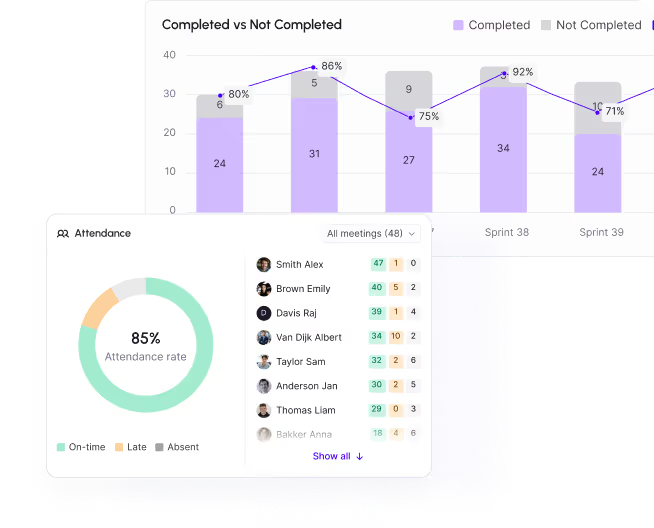
PMEOS AI analyzes signals from meetings, collaboration platforms, and project management tools to understand how execution evolves over time. It learns from historical delivery patterns to improve risk detection, recommendations, and targeted coaching guidance.
- Trends across delivery signals
- Learning from historical patterns
- Early risk and improvement signals
Product Roadmap
MVP | Extend | Scale | |
|---|---|---|---|
Core capabilities | Stand-up Meeting Moderation Scrum & Meeting Analytics Capacity & Workload Planning Suggested Action Items AI Intelligence | Requirements Intelligence Development Intelligence Test & Automation Intelligence System Impact Validation Extended Analytics | Team Growth & Development Lean Portfolio Management Risk Management Roadmap Visualization Quality Assurance |
Method coverage | Scrum Sprint Planning Scrum Stand-ups | Scrum Backlog Refinement Scrum Retrospective Kanban | Scaled Agile Framework (SAFe) PMI Hermes IPMA |
PM tool Integrations | Atlassian Jira | Azure DevOps | Asana Clickup |
Meeting tool Integrations | Microsoft Teams | Google Meet Zoom | |
H1 2026 H2 2026 H1 2027 | |||
Move from interest to action

Frequently Asked Questions
It starts with strong support for agile delivery routines like Scrum and expands towards hybrid and classic project environments, broader governance needs, and multi-team execution covering Waterfall, PMI, IPMA, and HERMES.
On our side, onboarding includes connecting your Teams and Jira in a governed, read only setup, configuring your team mappings, and introducing your users to the in Teams workflow and Web App. We recommend you start with one team, validate the setup, then expand in stages.